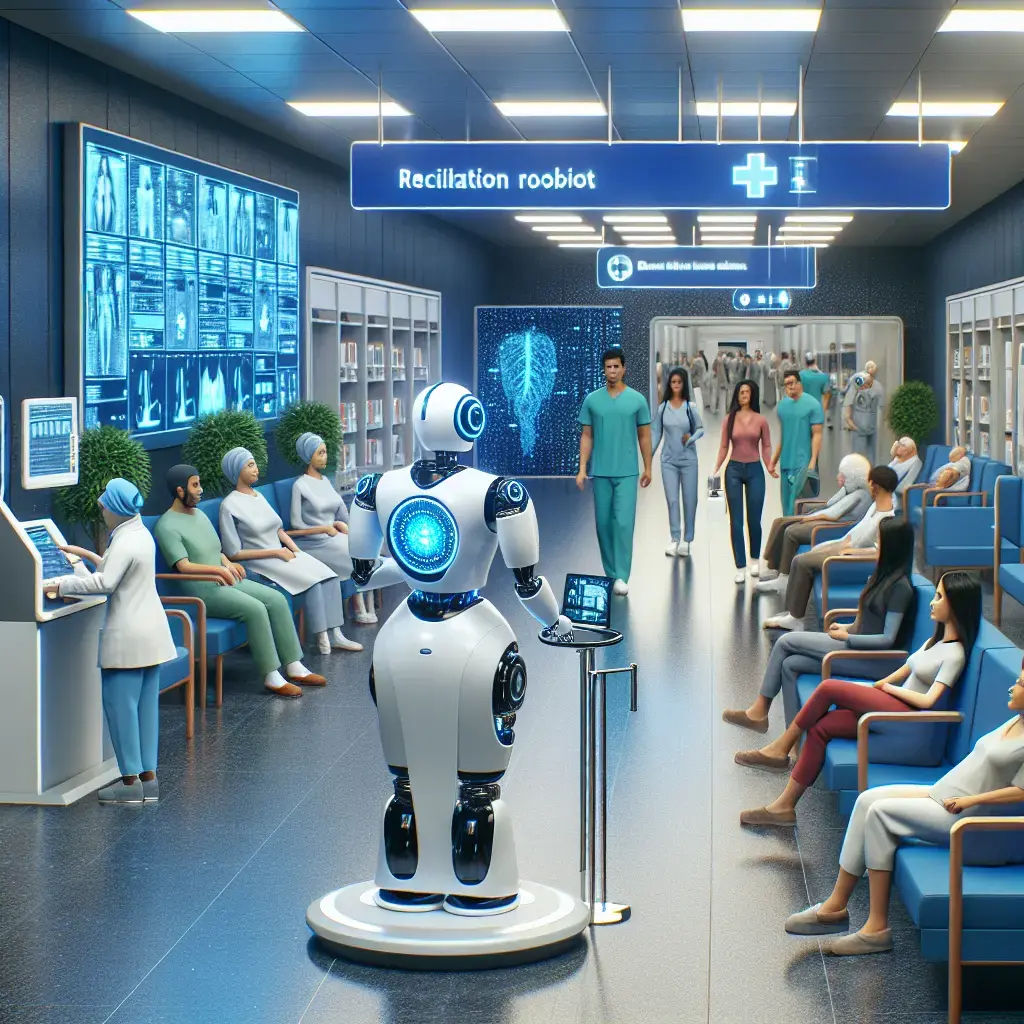
The Role of Robots in Healthcare: Will Machines Replace Doctors?
In the rapidly evolving landscape of healthcare, the integration of robots and artificial intelligence (AI) is transforming how medical services are delivered. From robot-assisted surgery to automation in healthcare, these advancements are pushing the boundaries of what's possible in medicine. As we delve into the intricacies of this technological evolution, a pressing question arises: Will machines replace doctors?
The Current Landscape of AI in Medicine
The emergence of AI in medicine has brought about significant healthcare AI advancements, particularly with healthcare AI innovations that are reshaping medical practices. Medical robots now assist in various procedures, offering unprecedented precision and efficiency. For instance, robotic healthcare solutions enhance surgical outcomes by minimizing human error and improving recovery times (source: Harvard Health Publishing).
Despite these benefits, the potential for machines replacing doctors stirs debate. While some fear job displacement, others argue that robots can augment human capabilities. Recent discussions highlight that the key lies in striking a balance where technology complements rather than competes with medical professionals.
Impacts on Healthcare Jobs: A Double-Edged Sword
The impact of robots on healthcare jobs is multifaceted. On one hand, automation in healthcare can streamline administrative tasks, reducing workload for medical staff. For example, AI-driven systems manage patient data more efficiently, allowing healthcare professionals to focus on patient care (source: Healthcare IT News).
Conversely, there's concern about potential job losses. However, history suggests that technological advancements often create new roles even as they render others obsolete. The introduction of medical robots might lead to increased demand for technicians and engineers skilled in maintaining and improving these systems.
Case Study: Robot-Assisted Surgery
Robot-assisted surgery is one area where the benefits of technology are indisputable. Surgical robots like the da Vinci system enable minimally invasive procedures with enhanced accuracy. Surgeons operate robotic arms via consoles, achieving greater precision than human hands alone could offer (source: Mayo Clinic). This not only improves patient outcomes but also reduces hospital stays and recovery times.
These advancements highlight how robots can enhance the capabilities of medical professionals rather than replace them. By augmenting human skills, robots allow doctors to perform complex procedures more efficiently and safely.
Technological Synergy: Robots as Allies
The future of healthcare technology depends on a symbiotic relationship between humans and machines. As digital health transformation continues, it's crucial to view AI and robotics as allies. For example, diagnostic AI tools assist doctors by analyzing medical images with higher accuracy than traditional methods, expediting the diagnosis process (source: Radiology Business).
Moreover, AI-powered chatbots provide preliminary consultations, answering patient queries and scheduling appointments without human intervention. This automation frees up healthcare professionals to address more complex cases that require human intuition and empathy.
Addressing Concerns: Universal Basic Income
The fear of job displacement by AI has sparked discussions on economic solutions such as Universal Basic Income (UBI). Proponents argue that UBI could mitigate the economic impact of automation by providing a financial safety net. The idea is gaining traction among tech leaders who believe UBI can address economic disparities exacerbated by AI advancements (source: Forbes).
However, critics question the feasibility of implementing UBI on a large scale. The debate underscores the need for comprehensive strategies to manage the socio-economic implications of automation in healthcare and beyond.
Future Directions: Embracing Change
As we navigate the future of medical professionals, embracing technological change is essential. Training programs must evolve to equip healthcare workers with the skills needed to work alongside AI and robotics. Educational institutions are already adapting curricula to include courses on AI ethics and robotic technology, preparing future doctors for a technologically advanced medical landscape (source: MIT Technology Review).
Furthermore, healthcare policies should encourage innovation while ensuring ethical considerations guide the integration of technology in medicine. By prioritizing patient safety and data privacy, policymakers can foster an environment where technological advancements benefit all stakeholders.
Conclusion: Embracing the Synergy of Human and Machine
In conclusion, while the question "Will machines replace doctors?" is valid, it oversimplifies the potential of technology in medicine. The future of healthcare technology lies in collaboration between humans and machines, leveraging each other's strengths to deliver superior care. By embracing healthcare innovation and fostering a culture of continuous learning, we can ensure that robots enhance rather than replace human capabilities.
As we explore the vast potential of robots in healthcare, it's clear that a balanced approach will define the next era of medicine. With thoughtful integration, artificial intelligence in healthcare can revolutionize medical practices while preserving the essential human touch that defines quality care.
In wrapping up our exploration of robots and AI in healthcare, it's essential to underscore the transformative potential these technologies hold:
- Enhancement of Medical Precision: Technologies like robotic-assisted surgery enhance the precision of medical procedures, reducing errors and improving patient outcomes.
- Efficiency in Healthcare Delivery: Automation streamlines administrative tasks, allowing medical professionals to focus more on patient care.
- Augmentation, Not Replacement: The integration of robots is more about augmenting human capabilities rather than replacing them. They serve as valuable allies in complex diagnostic and surgical processes.
- Economic and Employment Considerations: While there's concern over job displacement, technological advancements also create new roles, necessitating adaptation and skill development among healthcare workers.
The journey towards integrating AI and robotics in healthcare is not without its challenges, especially concerning ethical considerations and economic impacts. The debate around solutions like Universal Basic Income highlights the need for innovative socio-economic strategies to support this transition.
Moving forward, it's imperative to embrace change through education, policy development, and a focus on ethical integration. The success of this technological evolution depends on a symbiotic relationship between humans and machines, leveraging each other's strengths to enhance medical care.
As we continue to explore the intersection of technology and healthcare, I invite you to share your thoughts and experiences. How do you envision the future of healthcare with AI and robotics? Your insights could provide valuable perspectives on this evolving narrative.
Thank you for joining me on this journey through the promising yet complex landscape of healthcare innovation.
Olivia Harper