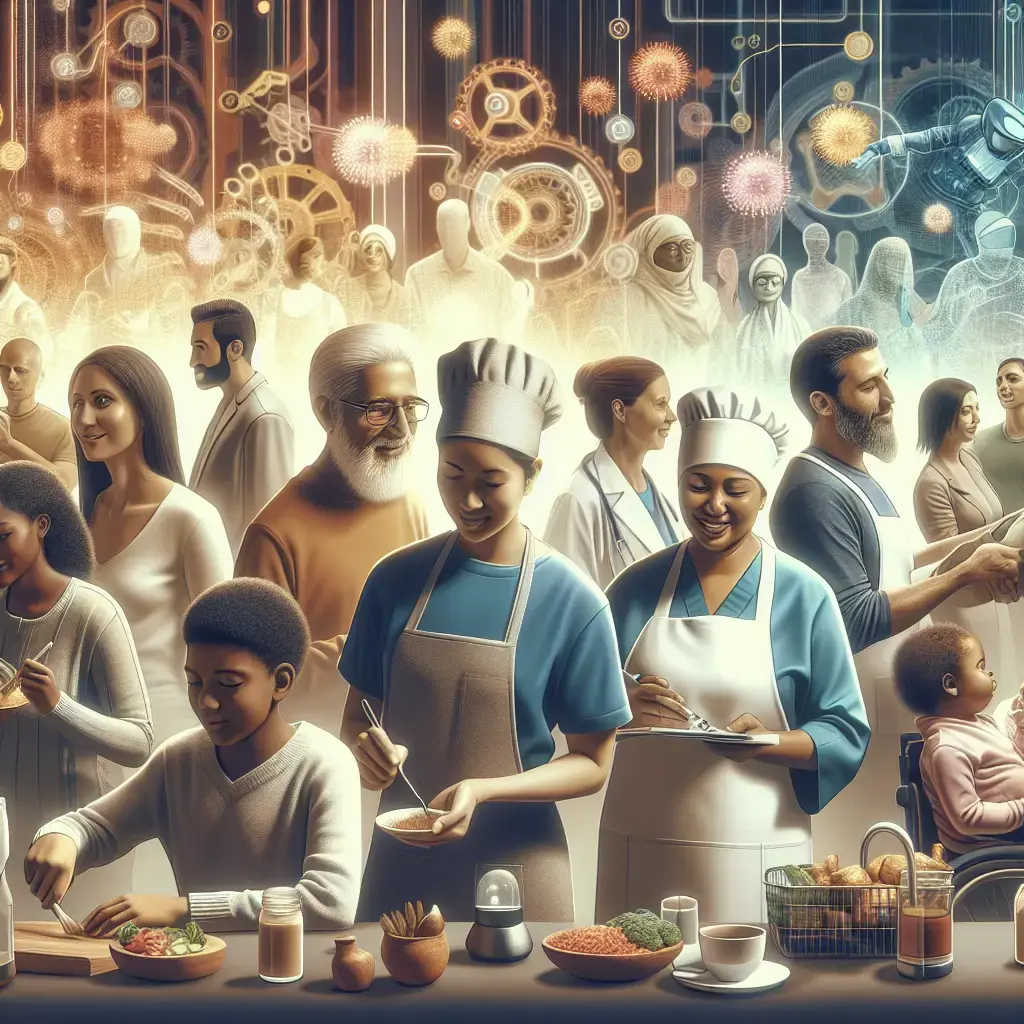
The Human Touch: Why Some Jobs Will Always Need People
In today's rapidly evolving technological landscape, where automation and artificial intelligence (AI) are transforming the workforce, a critical conversation emerges about the irreplaceable human jobs that continue to require a distinctly human touch. Despite the relentless march toward efficiency, the essence of human-centric jobs remains pivotal, offering a unique blend of human intuition, empathy, and interaction that machines simply cannot replicate. This is not just a nostalgic yearning; it's an essential reality for many sectors that rely on jobs safe from automation.
Understanding the Human Touch in Jobs
While technology and human jobs can coexist harmoniously, it's vital to recognize why some jobs need people. Human skills in the workforce, such as problem-solving, creativity, and empathy in the workplace, contribute to the irreplaceable value humans bring to their roles. Whether it's the comforting presence of a caregiver or the critical decision-making capabilities of a leader, human interaction in jobs fosters an environment where innovation and empathy thrive together.
According to a recent analysis by Forbes, these human skills are indispensable in roles requiring complex decision-making. For instance, in leadership positions, the ability to empathize and understand nuanced human behaviors cannot be programmed into an AI. This underscores why some jobs need people, particularly in sectors like healthcare, education, and customer service where human interaction is crucial.
Jobs Needing Human Touch: Case Studies and Examples
In the debate of human vs. automation, it becomes evident that there are certain jobs needing a human touch. One prominent example is the field of healthcare, where caregivers provide not just medical care but emotional support—an aspect technology cannot emulate. A report by The Guardian emphasizes that while AI can assist in diagnostics, the empathy and personal connection offered by healthcare professionals remain irreplaceable.
In digital marketing, the importance of authenticity and understanding brand nuances is paramount. Despite advancements in AI, marketing strategies still heavily rely on human intuition. An article by Adweek notes that digital marketing campaigns are most successful when guided by professionals who can intuitively grasp audience needs and preferences.
The Debate: Human vs Automation
The ongoing debate of human vs automation often raises questions about the viability of a Universal Basic Income (UBI) system as a solution to potential job displacement. With AI titans warning about job losses due to automation, some argue that UBI could be a panacea. However, as discussed by The New York Times, the feasibility of implementing UBI on a large scale remains contentious.
While technology can enhance productivity, there are intrinsic values that humans bring to their work—values crucial for roles involving emotional intelligence and personal interactions. This is why jobs safe from automation will continue to exist alongside technological innovations.
Technology and Human Jobs: Coexistence and Synergy
The interplay between technology and human jobs presents opportunities for synergy rather than competition. For instance, games like SteamWorld Heist 2, reviewed by IGN, illustrate how strategic elements in gaming rely on both human creativity and technological execution. This balance highlights how technology can augment rather than replace human skills in the workforce.
Similarly, the development of advanced machinery like the F-35 fighter jet requires a blend of technical expertise and human ingenuity. An article by Defense News discusses how collaboration between engineers and AI systems leads to groundbreaking innovations, showcasing how technology and human jobs can coexist harmoniously.
The Future of Work: Human Touch as an Essential Reality
As we explore the future of work with a human touch, it's evident that essential human jobs will continue to play a vital role in shaping our collective future. The human element in work—rooted in empathy, creativity, and interpersonal skills—is not just a nostalgic yearning but a fundamental necessity across various industries.
In South Korea, for example, designer Teo Yang is blending tradition with modern design to create spaces that reflect both cultural heritage and contemporary needs. As reported by COOL HUNTING, this approach exemplifies how human-centric jobs contribute to innovative solutions that resonate with societal values.
Conclusion: Embracing the Human Element in the Age of Automation
As we stand on the cusp of a technological revolution, it's vital to acknowledge the enduring importance of human-centric roles that thrive on empathy, creativity, and intuition. Despite rapid advancements in AI and automation, certain jobs—particularly those in healthcare, education, and customer service—remain irreplaceable due to their inherent need for a human touch. These roles require qualities that machines cannot replicate, such as emotional intelligence and personal interactions, underscoring their permanence in the workforce.
In leadership and strategic roles, the ability to navigate complex human emotions and make nuanced decisions remains a distinctly human domain. Whether it’s a nurse providing comfort or a digital marketer crafting authentic campaigns, these positions benefit from human intuition and understanding. The debate over automation and potential solutions like Universal Basic Income reflects broader societal concerns about job displacement. Yet, the synergy between technology and human skills suggests that these elements can coexist productively.
The future of work is not a zero-sum game between humans and machines; rather, it is an opportunity for synergy. By embracing both technology and the irreplaceable human element, we can foster innovation and ensure meaningful employment persists across industries. This harmonious coexistence can lead to groundbreaking advancements and culturally resonant solutions.
In closing, consider how you interact with technology in your own life. How can you harness it to enhance your human skills? I invite you to share your thoughts on this balance—your insights could spark meaningful discussions on this evolving narrative. Let’s continue exploring how we can shape a future where technology amplifies our humanity rather than diminishes it.
Stay curious and connected,
Olivia Harper