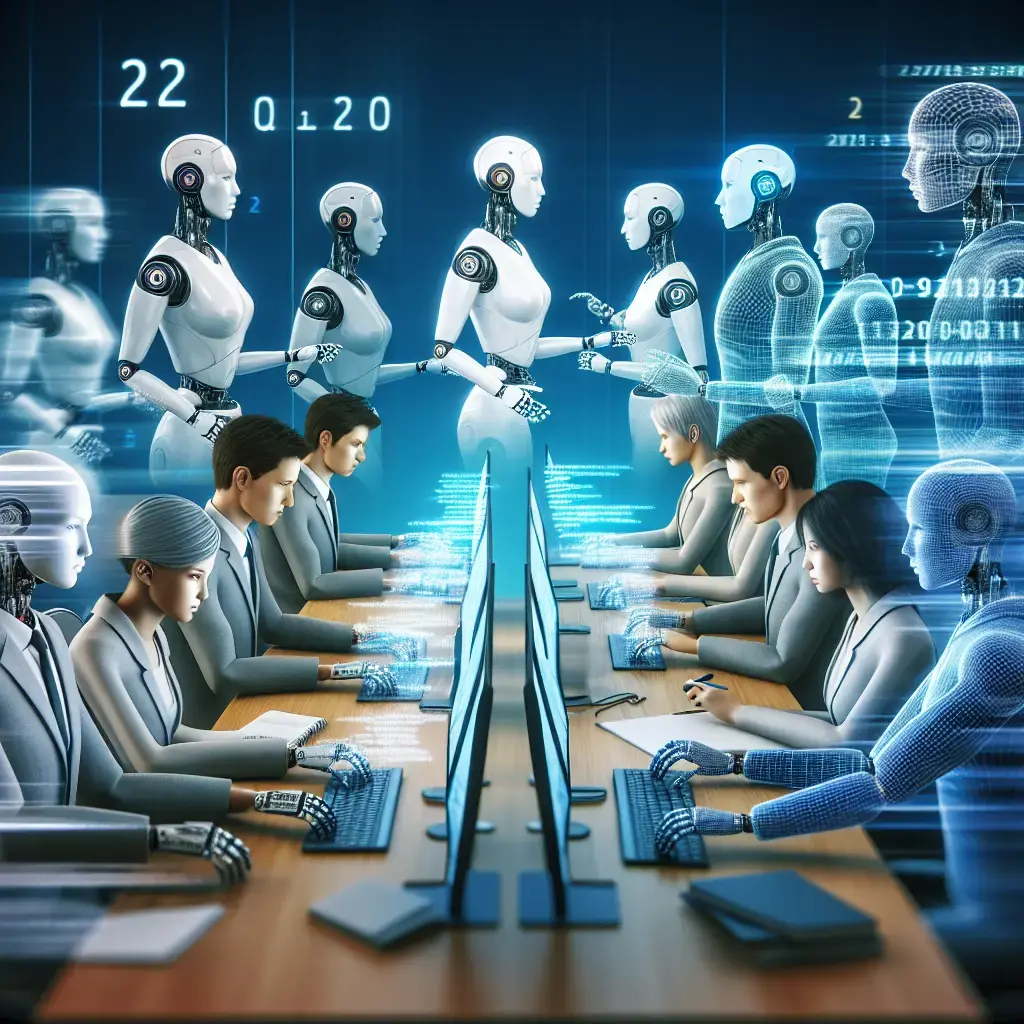
Will robots eventually take over our jobs? This question has been echoing through industries as technology continues to advance at an unprecedented pace.
The latest buzz in the tech world surrounds the bold prediction made by Matt Garman, CEO of Amazon Web Services, who suggests that artificial intelligence could potentially render human coders obsolete within the next two years. This forecast has sparked a heated discussion about the future of work and the role of AI in various professions.
The Role of AI in Software Development
AI's ability to perform complex tasks traditionally reserved for humans is no longer confined to the realm of science fiction. In recent years, AI systems have demonstrated remarkable proficiency in various aspects of software development, from code generation to bug detection. According to Garman, these advancements suggest that AI could soon handle the bulk of software development tasks, significantly reducing the need for human coders.
Key Factors Driving AI's Rise in Coding:
- Efficiency: AI can process and analyze large amounts of data faster than any human, leading to quicker and more efficient coding processes.
- Accuracy: Machine learning algorithms can identify patterns and potential errors in code, potentially reducing bugs and enhancing software quality.
- Cost-Effectiveness: Automating coding tasks can significantly lower costs for companies, as AI can operate 24/7 without the need for breaks or benefits.
Implications for Human Coders
While the prospect of AI taking over coding tasks might seem daunting, it's important to view this shift as an opportunity rather than a threat. The integration of AI in software development could redefine the role of human coders, allowing them to focus on more strategic and creative aspects of their work.
Potential New Roles for Coders:
- AI Oversight: Human coders could transition into roles that involve overseeing and refining AI-generated code to ensure it meets specific standards and requirements.
- Creative Problem Solving: With AI handling repetitive tasks, coders could dedicate more time to solving complex problems and innovating new solutions.
- Training AI Systems: Coders could work on developing and improving AI algorithms, ensuring they continue to evolve and adapt to new challenges.
Embracing the Change
Change is inevitable, especially in a field as dynamic as technology. By embracing AI as a tool rather than a competitor, coders and other professionals can harness its capabilities to enhance their productivity and creativity.
In conclusion, while AI's advancements in coding might seem like a threat to jobs, they also open up a plethora of new opportunities. As we stand on the brink of this technological evolution, it's crucial to adapt and prepare for a future where humans and machines work collaboratively. For more insights on this topic, you can read the original article here.
Stay curious, keep learning, and remember that in the age of innovation, adaptability is your greatest asset.
Author: Olivia Harper